

Ensuring patient safety and comfort is paramount, especially when it comes to dental procedures. Anesthesia plays a vital role in providing a stress-free experience, and understanding how it's administered can ease any anxiety you may have about gentle dental care. Let's take a peek behind the scenes to explore the process.

Pre-Anesthesia Assessment
Before any anesthesia is administered, a thorough evaluation of the patient's medical history is conducted. This assessment helps identify any potential risk factors or allergies that could affect the choice and dosage of anesthesia. It’s also an opportunity for patients to discuss any concerns or anxieties they may have.
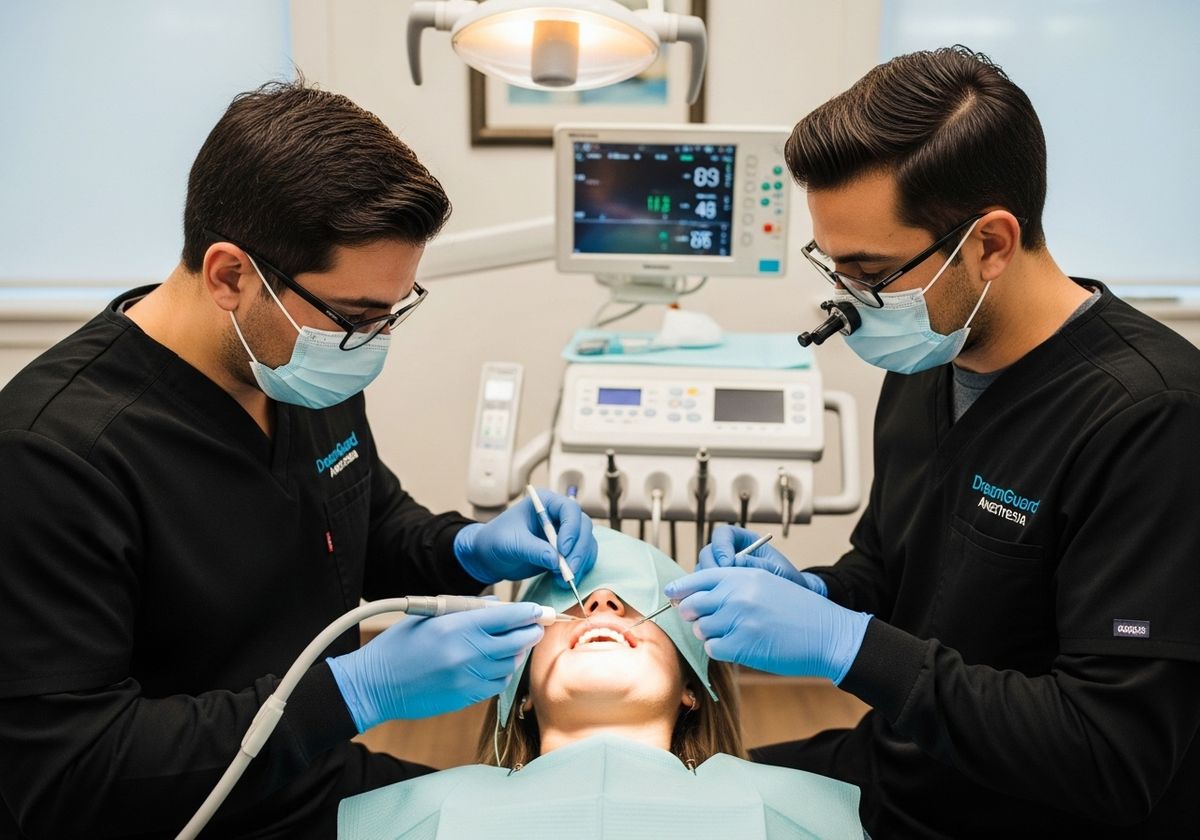
Types of Dental Anesthesia
Depending on the procedure and the patient's needs, different types of anesthesia may be used:
Local Anesthesia: This numbs a specific area of the mouth, blocking pain signals during procedures like fillings or root canals.
Sedation: This helps patients relax and can range from minimal sedation (anxiolysis) to deep sedation, where the patient is barely responsive. Nitrous oxide (laughing gas), oral sedatives, or intravenous (IV) sedation are common methods.
General Anesthesia: This renders the patient unconscious and is typically reserved for complex or lengthy procedures, or for patients with severe anxiety or special needs. DreamGuard Anesthesia specializes in mobile anesthesia services, bringing this advanced level of care directly to dental offices.

Monitoring During Anesthesia
Throughout the procedure, the patient's vital signs are continuously monitored. This includes heart rate, blood pressure, oxygen saturation, and breathing. Our anesthesia providers are trained to recognize and manage any potential complications that may arise.
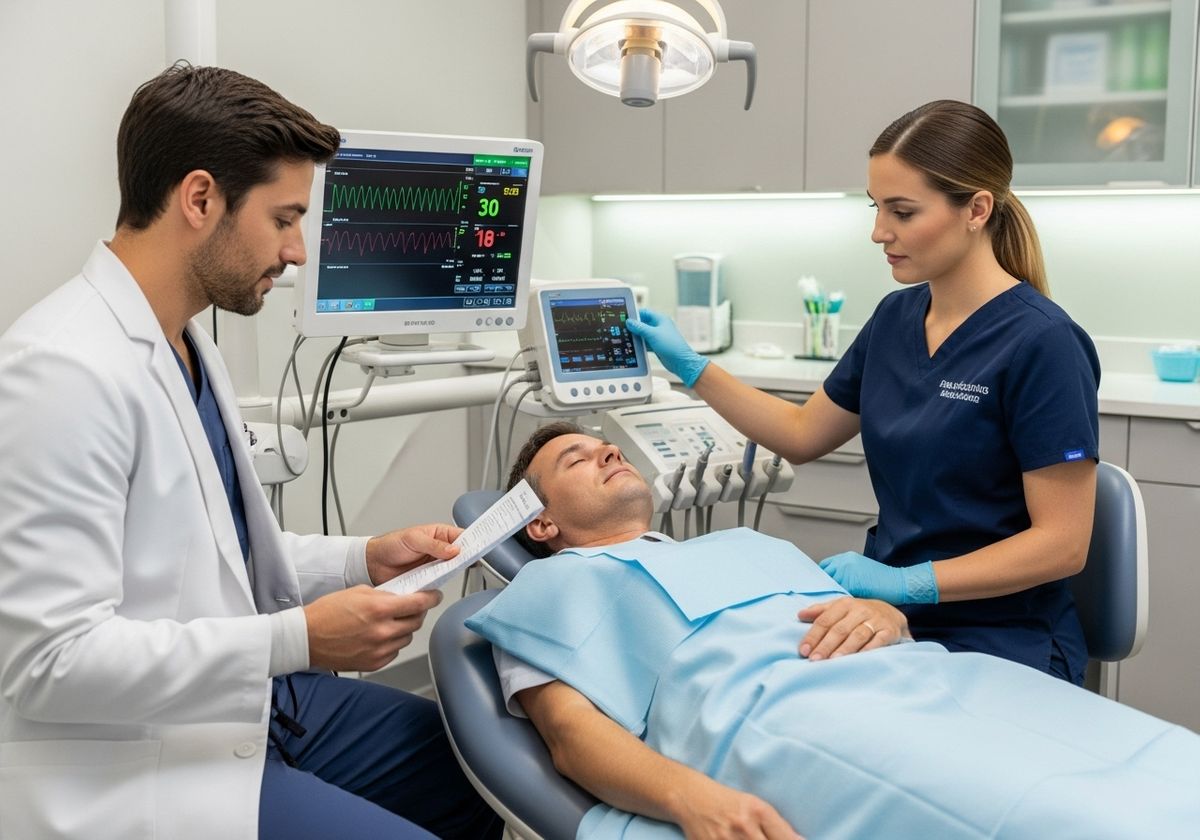
Post-Anesthesia Care
After the procedure, patients are closely monitored as they recover from the anesthesia. Instructions are provided for post-operative care, and patients are advised to have a responsible adult drive them home if they have received sedation or general anesthesia.
Understanding the steps involved in administering dental anesthesia can help alleviate any concerns you may have. With careful assessment, appropriate techniques, and continuous monitoring, anesthesia can be administered safely and effectively, ensuring a positive experience.
At DreamGuard Anesthesia, we prioritize patient safety and comfort above all else, by offering mobile anesthesia that brings expert care directly to your dental office. If you have any questions about anesthesia or our services, please contact us today! You can also visit our website to learn more about mobile anesthesia and comfort dentistry options.