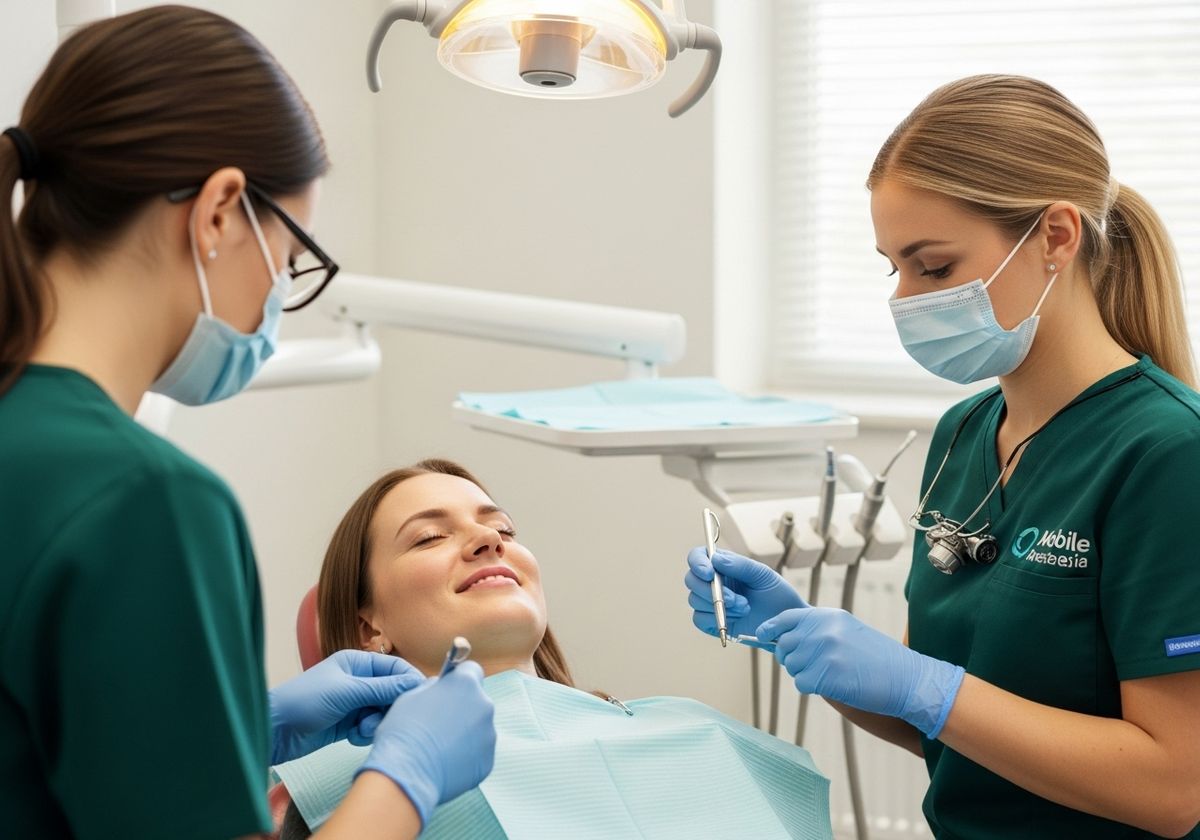
Dental anxiety is a prevalent issue, preventing many individuals from receiving necessary oral healthcare. Fortunately, advancements in modern dentistry offer effective solutions to ease these fears. Among these, dental anesthesia stands out as a safe and reliable option for creating a relaxed and pain-free experience. Let's explore the benefits of choosing dental anesthesia and how it can help you overcome anxiety.

What is Dental Anxiety?
Dental anxiety encompasses a range of emotions, from mild nervousness to intense fear, associated with dental procedures. This anxiety can stem from various factors, including past traumatic experiences, fear of pain, or general apprehension about visiting the dentist. For those with dental anxiety, even a routine check-up can trigger significant distress, leading to avoidance of dental care altogether.

The Benefits of Dental Anesthesia
Choosing dental anesthesia offers numerous advantages for anxious patients:
Eliminates Pain and Discomfort: Dental anesthesia ensures that you feel no pain during dental procedures. Whether you're undergoing a simple cleaning or a more complex treatment, anesthesia keeps you comfortable throughout the process.
Reduces Anxiety and Fear: By eliminating the fear of pain, anesthesia significantly reduces anxiety and stress. Knowing that you won't experience discomfort can help you relax and feel more at ease during your appointment.
Enables Efficient Treatment: When patients are relaxed and comfortable, dentists can work more efficiently. This can lead to shorter appointment times and better overall outcomes.
Facilitates Complex Procedures: Anesthesia allows dentists to perform complex procedures with greater precision and control. This is particularly beneficial for patients who require extensive dental work.
Offers a Positive Dental Experience: By providing a pain-free and stress-free experience, anesthesia helps to change negative perceptions of dental visits. This can encourage patients to seek regular dental care and maintain better oral health.
Types of Dental Anesthesia
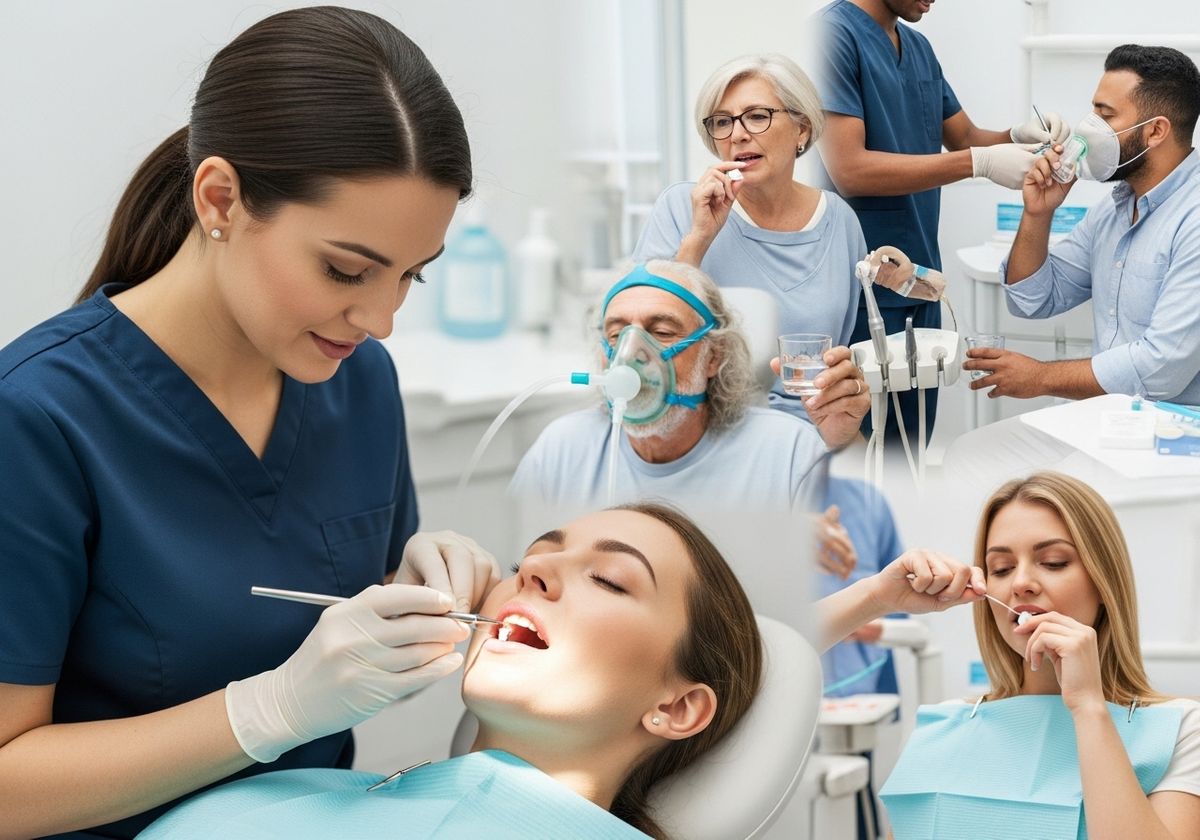
Several types of dental anesthesia are available, each with its own level of sedation:
Local Anesthesia: Numbs a specific area of the mouth, preventing pain during procedures like fillings or tooth extractions.
Nitrous Oxide (Laughing Gas): A mild sedative inhaled through a mask, helping patients relax and feel more comfortable.
Oral Sedation: Administered in pill form, oral sedation helps to reduce anxiety and create a calming effect.
IV Sedation: Delivered intravenously, IV sedation provides a deeper level of relaxation and is often used for more complex procedures.
Mobile Anesthesia: Mobile anesthesia services bring qualified professionals and appropriate equipment to the location of the dental practice or clinic. This allows patients to receive anesthesia without needing to go to a hospital or other specialized facility.
Is Dental Anesthesia Right for You?
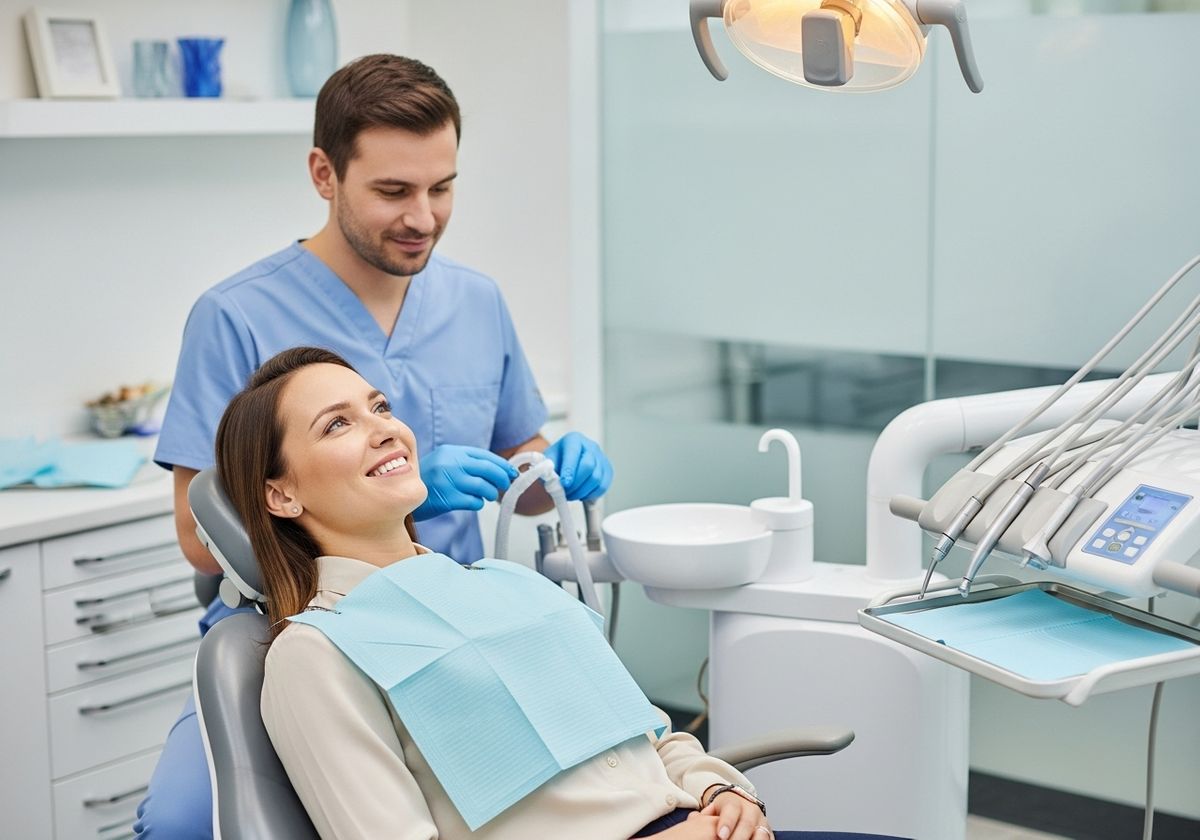
If you experience anxiety or fear when visiting the dentist, dental anesthesia may be a suitable option. Talk to your dentist about your concerns and discuss the different types of anesthesia available. They can help you determine the best approach based on your individual needs and the procedures you require. Many dentists offer comfort dentistry options to make your experience as pleasant as possible.
Overcoming dental anxiety is possible with the help of dental anesthesia. By eliminating pain and reducing fear, anesthesia enables you to receive the dental care you need without the stress and apprehension. Consider exploring mobile anesthesia services to bring comfort dentistry directly to your trusted dental office.
At DreamGuard Anesthesia, we understand the importance of gentle dental care and offer comprehensive mobile anesthesia services to ensure a relaxed and pain-free experience. Contact us today to learn more about how our mobile anesthesia services can benefit you or your practice, and let us help you prioritize your patient's comfort!