

Navigating dental procedures can be a source of anxiety for many, and understanding what to expect can significantly ease those concerns. If your upcoming appointment involves anesthesia, knowing the process can make your experience smoother and more comfortable. This guide will walk you through what typically happens during a dental anesthesia appointment, ensuring you feel prepared and at ease.

Pre-Anesthesia Consultation
Before your appointment, you'll typically have a consultation with your dentist or anesthesiologist. This is a crucial step to assess your medical history, current medications, and any allergies you may have. It's also an opportunity to discuss any concerns or questions you might have about the anesthesia. Be open and honest during this consultation to ensure the safest and most effective anesthesia plan for your specific needs. For patients seeking gentle dental care, this thorough pre-screening is essential.

Types of Anesthesia Used in Dentistry
Dentistry employs several types of anesthesia, each suited for different procedures and patient needs:
Local Anesthesia: This numbs a specific area in your mouth, blocking pain signals. You remain awake and aware during the procedure. It's commonly used for fillings, crowns, and other minor treatments.
Sedation Dentistry: Sedation can range from minimal (using nitrous oxide, also known as laughing gas) to moderate (oral or intravenous sedation) to deep sedation. With minimal sedation, you're relaxed but fully awake. Moderate sedation might make you drowsy, and you may not remember much of the procedure. Deep sedation puts you on the edge of consciousness, and you'll need someone to drive you home.
General Anesthesia: This renders you completely unconscious, and is usually reserved for complex or lengthy procedures, or for patients with severe anxiety or special needs.
Many patients opt for mobile anesthesia services to receive treatment in a comfortable, familiar environment.
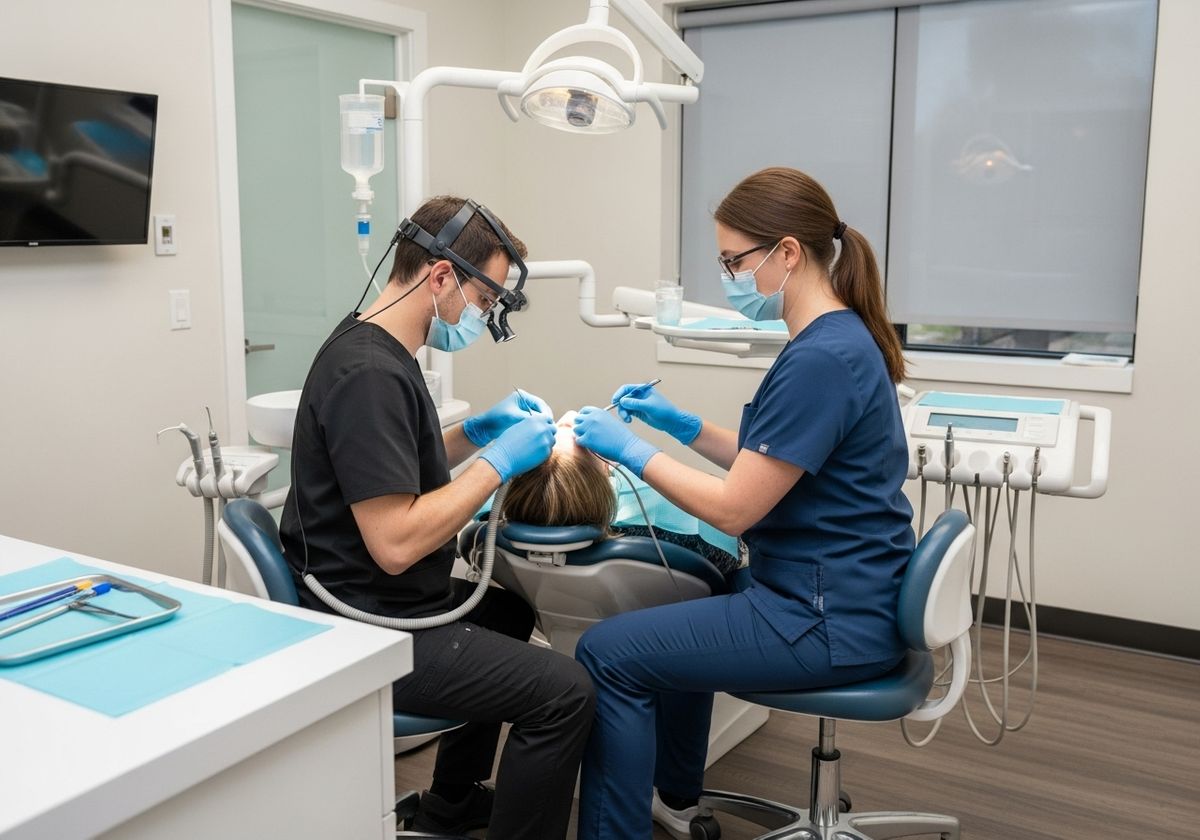
During the Anesthesia Administration
The administration process varies depending on the type of anesthesia:
Local Anesthesia: Applied topically to numb the area before injection. The injection itself might sting briefly, but the area will quickly become numb.
Nitrous Oxide: Administered through a mask that you wear over your nose. You'll breathe in the gas, which induces a feeling of relaxation and euphoria.
Oral Sedation: Taken as a pill before your appointment. It's important to have someone drive you to and from the office, as it can make you drowsy.
IV Sedation: Administered directly into your bloodstream through a vein. The effects are felt quickly, and the dosage can be adjusted as needed.
General Anesthesia: Requires careful monitoring of your heart rate, blood pressure, and breathing. It's administered by a trained anesthesiologist.

Post-Anesthesia Care and Recovery
After your procedure, the recovery process depends on the type of anesthesia used. With local anesthesia, the numbness will gradually wear off. Sedation and general anesthesia require a longer recovery period. It's essential to follow your dentist's instructions, which may include:
Having someone drive you home.
Avoiding operating heavy machinery.
Taking prescribed pain medication as directed.
Staying hydrated and eating soft foods.
Understanding what to expect during your dental anesthesia appointment can significantly reduce anxiety and ensure a more positive experience. From the initial consultation to the post-operative care, each step is designed to prioritize your comfort and safety. If you're considering mobile anesthesia for your next dental procedure, remember that DreamGuard Anesthesia provides professional mobile anesthesia services, bringing comfort dentistry directly to you. Contact us today to learn more about how our mobile anesthesia services can make your dental experience stress-free.